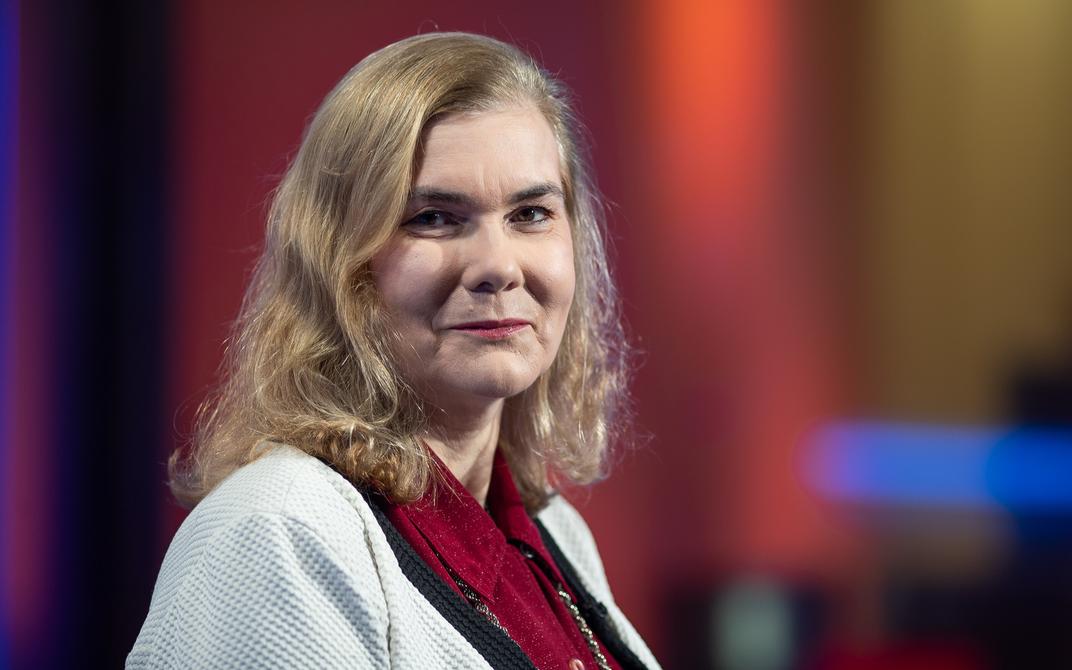
Kaia Vask, chair of the Estonian Trade Union Confederation (Ametiühingute keskliit), predicts that along with disputes over pay and working conditions, work time flexibility could become a new source of tension between employers and employees in Estonia.
“What the issues are at the moment, are flexibility of working time, of course, which is facing a lot of pressure from employers and where negotiations are likely to start in order to find the best solution that, one the one hand provides flexibility, but, on the other, also gives workers a sense of security. So that it is not the case that there is flexibility but the sense of security is lost. Sense of security is really important for employees,” Vask told ERR show “Otse uudistemajast” on Wednesday.
Vask also stressed that while trade unions are fighting for workers’ wages and better working conditions, they do not wish for bad things to happen to companies.
“A trade union is not really an organization that wants to harm companies or wants to hinder their activities. Rather, most trade unions, if not all of them, are interested in making sure that companies do well, because if a company is doing well, if everything is working, that means there will be income and the possibility to raise wages. People will be able to improve their working conditions,” she said.
In addition, trade union members can help management to identify problems in the company’s operations, Vask explained.
“We can see what is happening in the company at a grassroots level. We see the areas that the management of the company is overlooking. Or, thanks to our own specialists who work there, we are able to assess that some decisions are not the most prudent,” said Vask.
Kaia Vask, chair of the Estonian Trade Union Confederation (Ametiühingute keskliit), predicts that along with disputes over pay and working conditions, work time flexibility could become a new source of tension between employers and employees in Estonia.
“What the issues are at the moment, are flexibility of working time, of course, which is facing a lot of pressure from employers and where negotiations are likely to start in order to find the best solution that, one the one hand provides flexibility, but, on the other, also gives workers a sense of security. So that it is not the case that there is flexibility but the sense of security is lost. Sense of security is really important for employees,” Vask told ERR show “Otse uudistemajast” on Wednesday.
Vask also stressed that while trade unions are fighting for workers’ wages and better working conditions, they do not wish for bad things to happen to companies.
“A trade union is not really an organization that wants to harm companies or wants to hinder their activities. Rather, most trade unions, if not all of them, are interested in making sure that companies do well, because if a company is doing well, if everything is working, that means there will be income and the possibility to raise wages. People will be able to improve their working conditions,” she said.
In addition, trade union members can help management to identify problems in the company’s operations, Vask explained.
“We can see what is happening in the company at a grassroots level. We see the areas that the management of the company is overlooking. Or, thanks to our own specialists who work there, we are able to assess that some decisions are not the most prudent,” said Vask.